

Behind the Mock up
Most branding starts with a client and a deadline. This one started with a set of architectural drawings for a waterfront duplex in Point Piper, and no client at all. We built it anyway.

Why we built this without a client
Property developers rarely go looking for a branding studio the way a fashion label or restaurant does. They inherit one through an architect, or they don't budget for identity until the building's already selling. That's a gap, not a rule. WILLOW exists to show what a full architectural brand identity for property developers actually looks like, before a real project needs one.
The brief we set ourselves
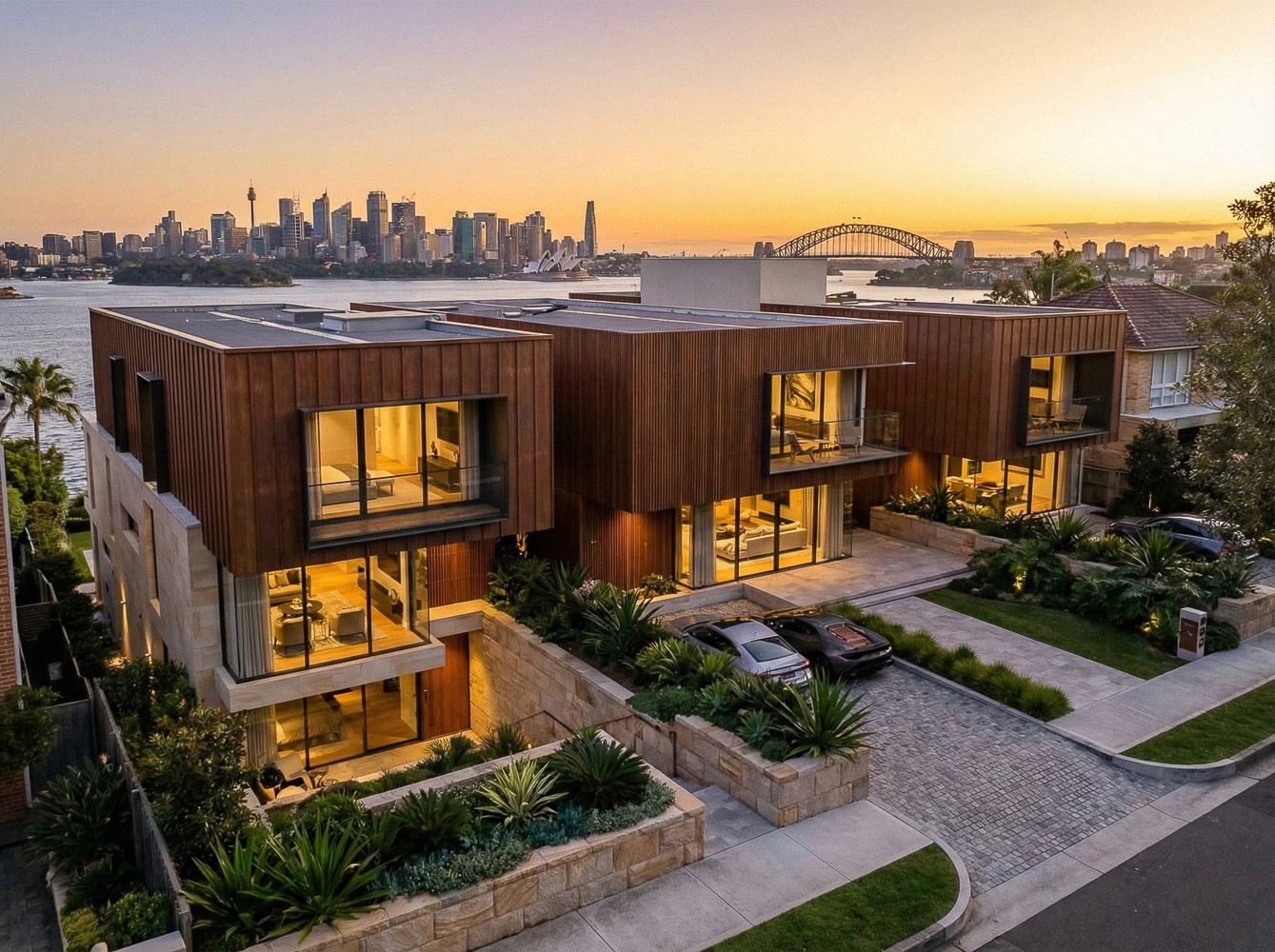
A waterfront duplex, timber-clad, positioned in one of Sydney's more understated prestige pockets; the kind of property where the wrong brand reads as trying too hard. The constraint we set: nothing about the identity could feel bolted on. If it didn't come from the building itself, it wasn't allowed in.
Starting from the building, not the logo
Most real estate branding gets treated as a naming exercise: pick a word, draw a crest, done. We started from the actual materials: the timber cladding, the stone, the specific quality of coastal light the building was designed around. The identity had to describe a real, physical building, not a generic idea of luxury.
The system that came out of it
A single wordmark. WILLOW, set in a serif with enough contrast to feel closer to editorial type than corporate signage. A circular crest mark, built like a location seal rather than a logo, carrying the suburb's own shorthand. A palette pulled directly from the building's material list - terracotta, warm taupe, deep charcoal, soft ivory, rather than a generic real estate palette imposed from outside. Every piece traces back to something the building already was.
Why this matters for property developers specifically
A logo survives one application. A brand identity has to survive signage, sales collateral, a website, and years of the building actually existing in the world, long after the launch campaign is forgotten. That's the actual difference between a real estate branding agency handing over a logo file, and a studio building something a development can still stand behind a decade later.

